
Transform Your Health with Low Fat Eating
Discover helpful guidance on low fat diet foods and nutritional options designed to support your wellness journey. Learn which foods to embrace, understand portion control, and build sustainable eating habits backed by expert insights.
What You'll Learn Here
Low Fat Food Categories
Understand which foods naturally fit a low fat diet, from lean proteins to whole grains and vegetables.
Nutritional Guidance
Learn how to read nutrition labels, count fat grams, and make informed choices at grocery stores and restaurants.
Meal Planning Tips
Discover practical strategies for building balanced meals, managing cravings, and maintaining long-term adherence.
Expert Insights
Access evidence-based articles and practical advice from nutrition and wellness editorial contributors.
Why Low Fat Foods Matter
Understanding Fat in Your Diet
Not All Fats Are Equal
Low fat eating focuses on reducing saturated and trans fats while understanding the role of heart-healthy fats like those from fish and nuts.
Caloric Balance
Fat contains nine calories per gram compared to four for protein and carbohydrates, making fat reduction a key strategy in managing overall energy intake.
Nutrient Density
Low fat diets emphasize whole foods rich in vitamins, minerals, and fibre, supporting overall nutritional wellness.
Sustainable Lifestyle
Building long-term eating habits around lower-fat foods can support consistency and wellness goals when combined with regular physical activity.
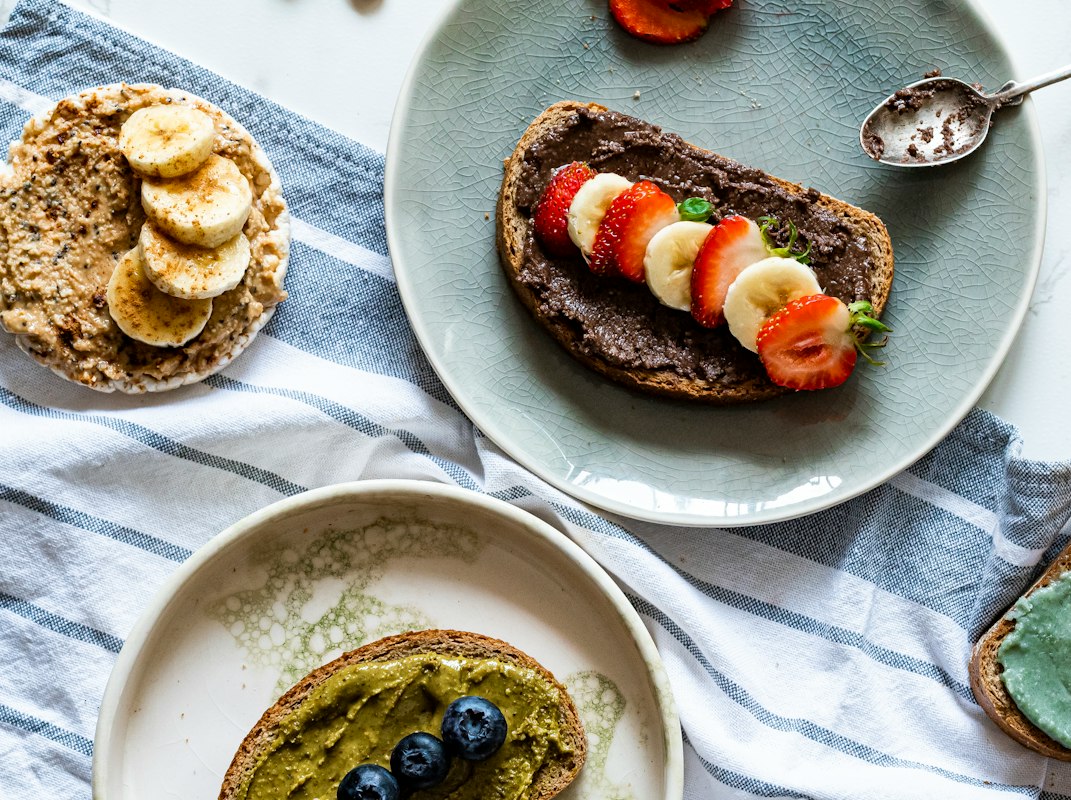
Popular Low Fat Food Options
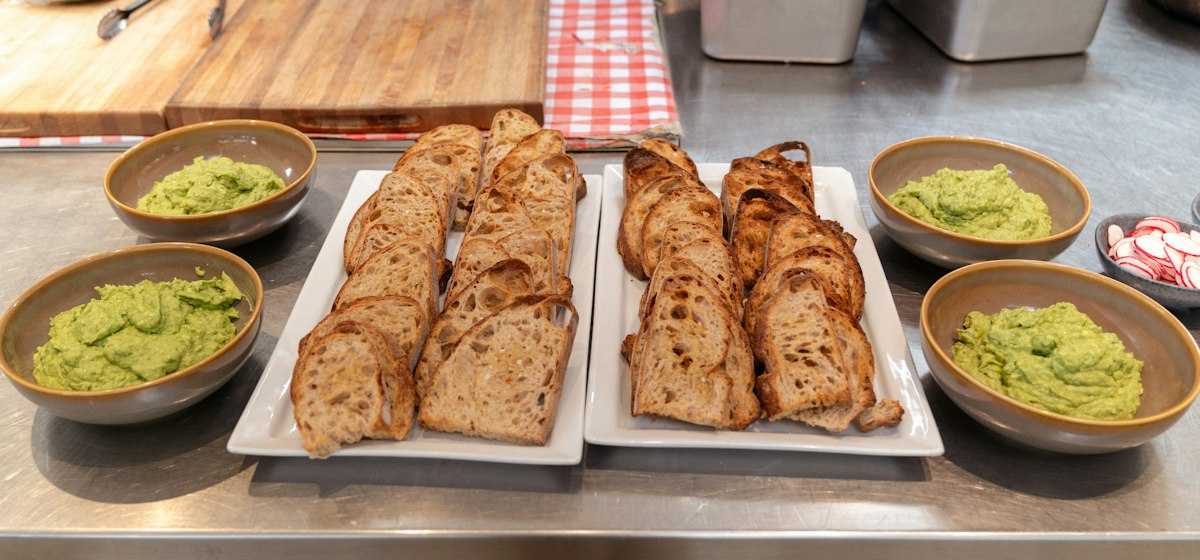
Lean Proteins
Chicken breast, turkey, fish, legumes, and low-fat dairy products provide essential amino acids while keeping fat intake minimal.
Explore proteins that support muscle maintenance and sustained energy throughout your day.

Whole Grains
Oats, brown rice, quinoa, whole wheat bread, and barley are naturally low in fat and rich in fibre for sustained fullness.
These staples help regulate blood sugar and provide steady energy for your daily activities.
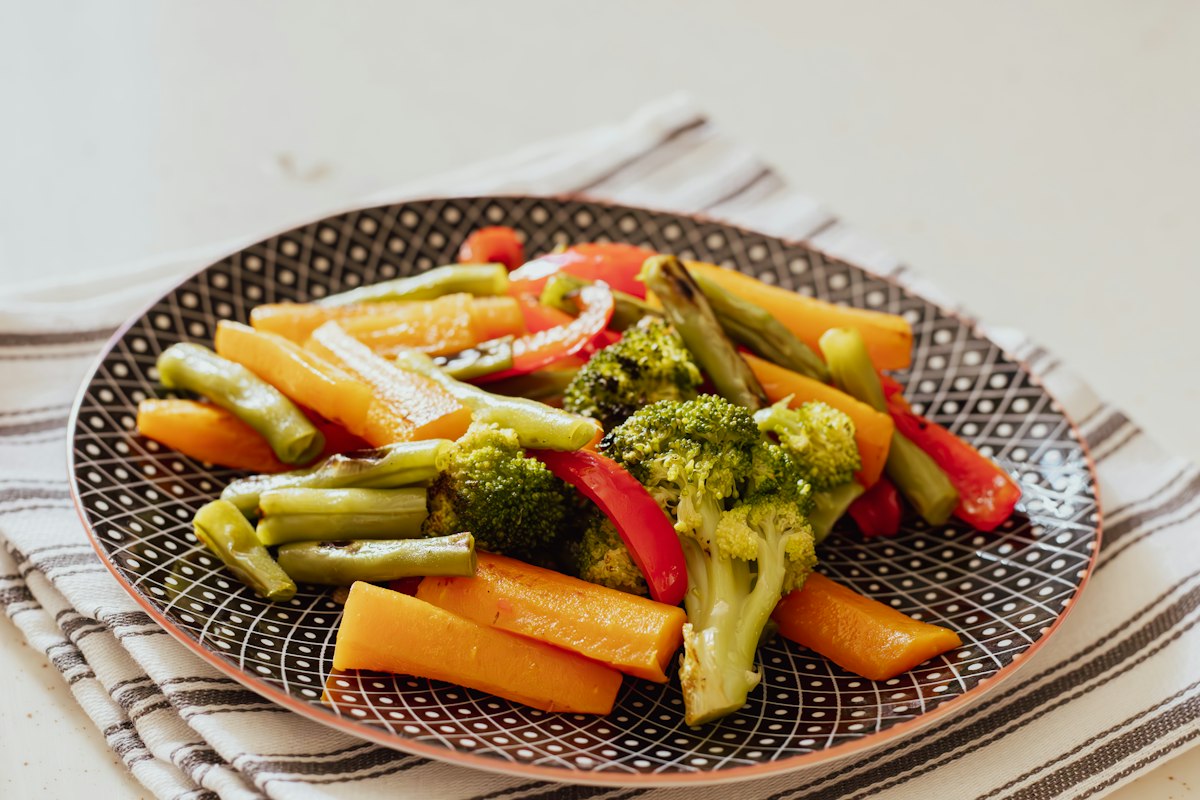
Vegetables & Fruits
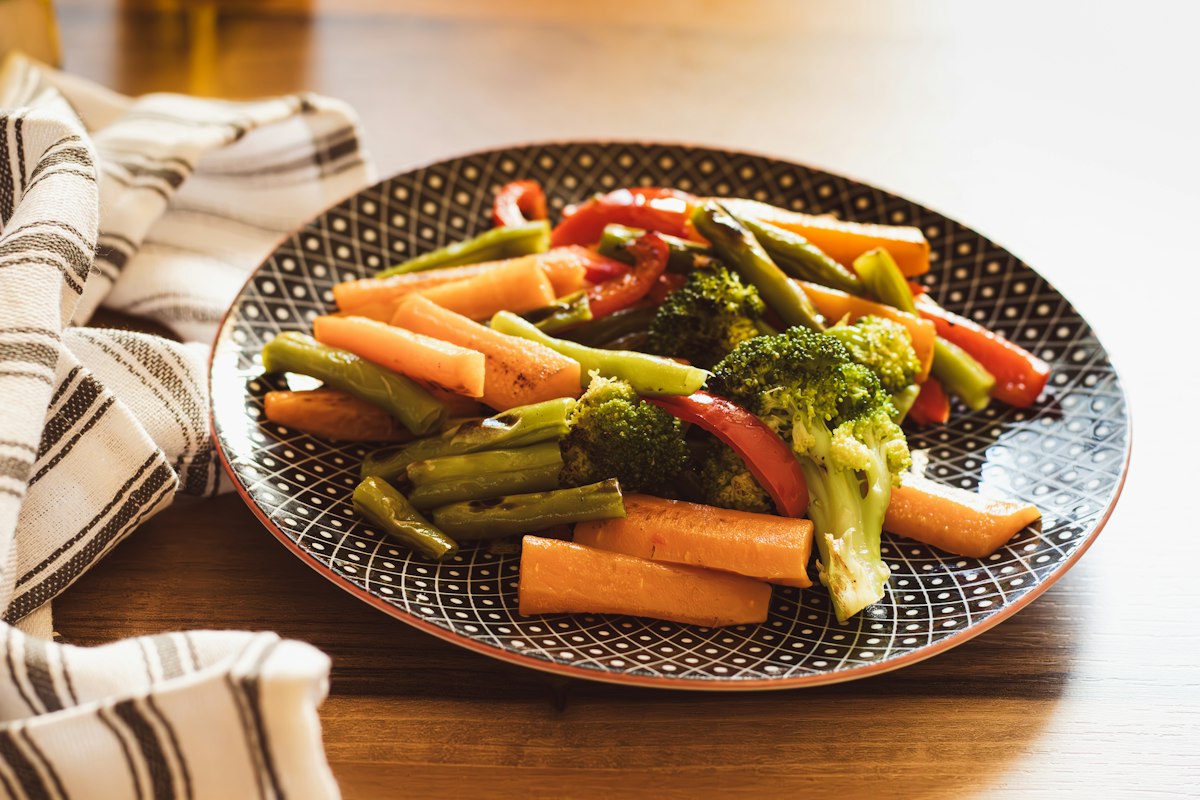
Leafy greens, broccoli, carrots, berries, and apples are virtually fat-free and packed with vitamins and antioxidants.
Aim to fill half your plate with colorful produce at each meal for maximum nutritional benefit.
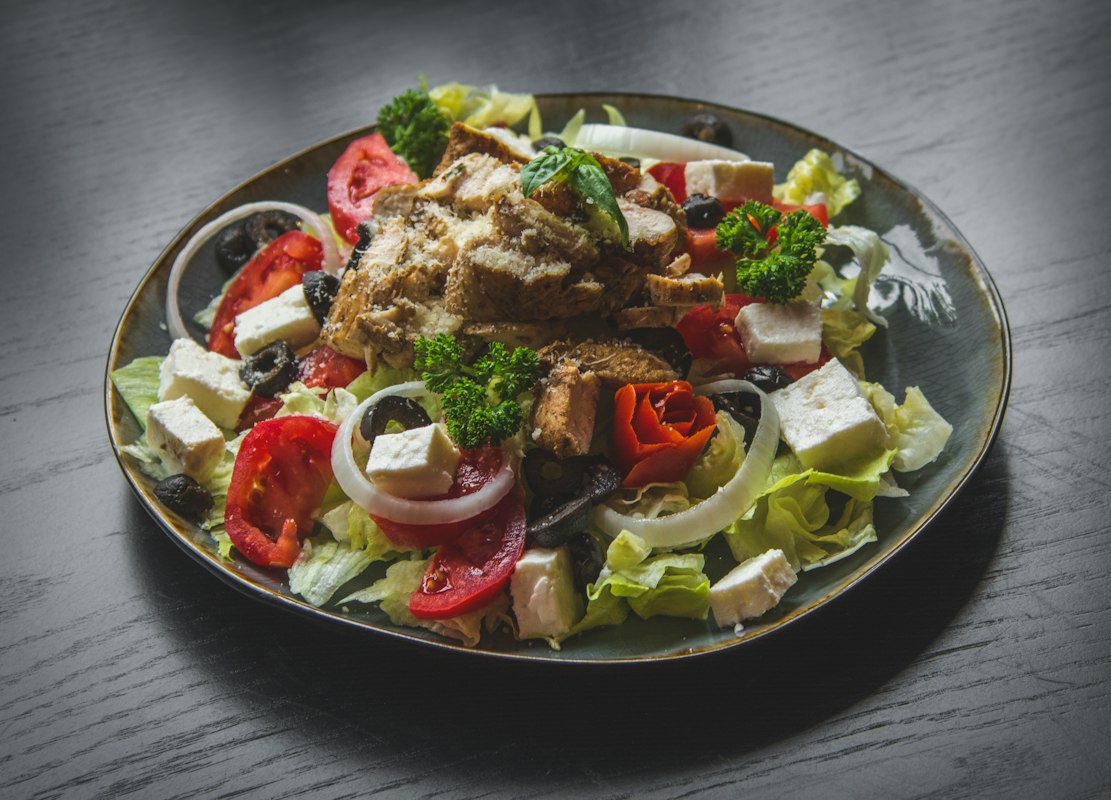
Low Fat Dairy
Skimmed milk, Greek yoghurt, cottage cheese, and reduced-fat cheese offer calcium and protein without excess fat.
Choose unsweetened varieties to minimise added sugars while meeting your dairy nutrition needs.
Herbs & Spices
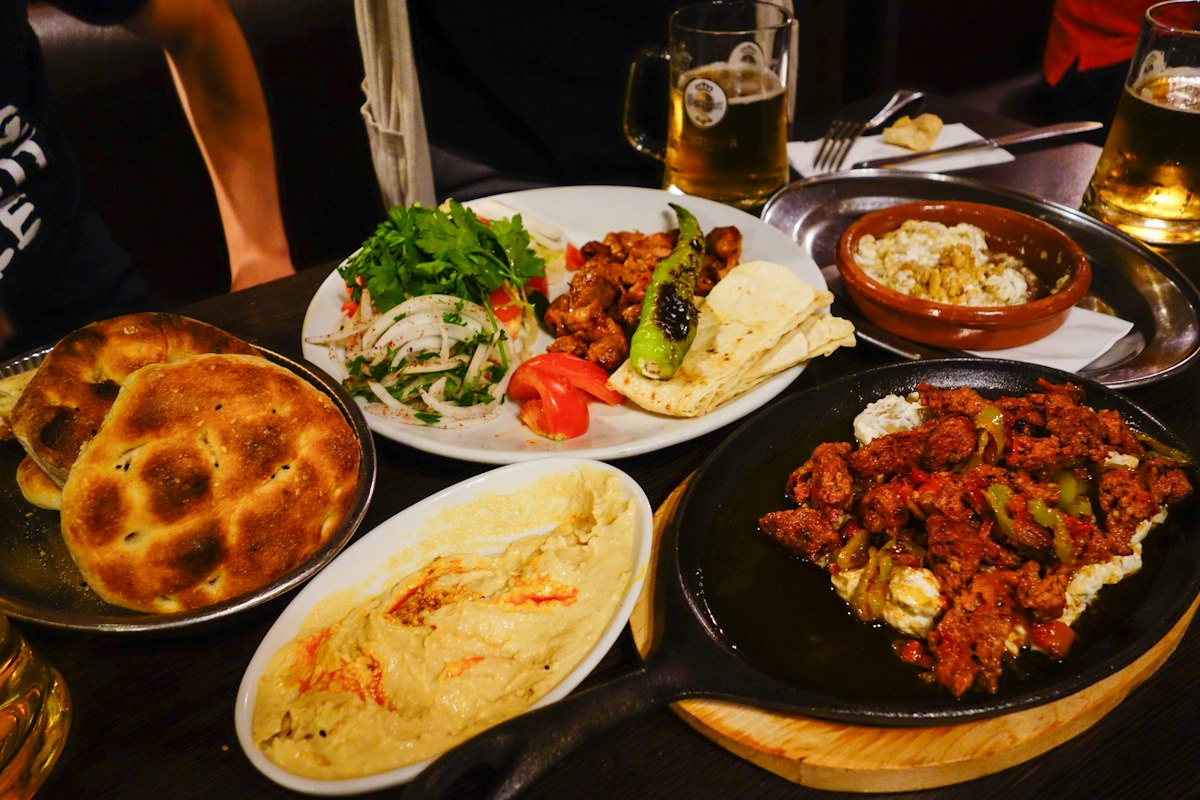
Fresh herbs, garlic, ginger, and spices add tremendous flavour to low fat meals without adding calories or fat.
Experiment with diverse seasonings to keep your meals exciting and maintain enjoyment of your eating plan.
Plant-Based Proteins
Beans, lentils, chickpeas, and tofu are excellent low-fat sources of plant-based protein and fibre.
Mix and match these versatile options to build satisfying meals that support your nutritional goals.
How to Build a Low Fat Meal
Choose Your Protein Base
Start with a lean protein source like grilled chicken, baked fish, or plant-based alternatives. Keep your portion to about 100-150 grams.
Add Whole Grains or Starchy Vegetables
Include a complex carbohydrate like brown rice, sweet potato, or whole wheat bread. This quarter of your plate provides sustained energy.
Fill Half Your Plate with Vegetables
Aim for variety in colours and types—leafy greens, cruciferous vegetables, and colourful peppers provide essential nutrients and fibre.
Use Low Fat Cooking Methods
Grill, bake, steam, or boil rather than frying. Use cooking spray or minimal oil, and flavour with herbs and spices instead of creamy sauces.
Common Questions About Low Fat Diets
What percentage of my calories should come from fat?
Current dietary guidelines suggest 20–35% of daily calories can come from fat, though some low fat approaches aim for 15–25%. The specific target depends on your individual health profile and goals. Most importantly, focus on quality fat sources like fish, nuts, and seeds when you do consume fat, and avoid trans fats and excessive saturated fat.
Will a low fat diet leave me feeling hungry?
Not necessarily, if you eat enough volume. Low fat foods tend to be less calorie-dense, so you can eat larger portions while consuming fewer calories. Fill your plate with vegetables, lean proteins, and whole grains, which provide satiety through fibre and protein content. Drinking plenty of water and eating on a regular schedule also helps manage hunger.
Are there foods I should avoid completely on a low fat diet?
Rather than strict avoidance, think in terms of minimisation. Limit fried foods, fatty cuts of meat, full-fat dairy, pastries, and foods high in trans fats. However, complete deprivation often backfires. Instead, enjoy small portions of foods you love, and focus on building meals around naturally low-fat options that you genuinely enjoy eating.
How do I handle eating out while following a low fat approach?
Most restaurants can accommodate low fat requests—ask for grilled instead of fried preparations, dressings and sauces on the side, and extra vegetables instead of chips or creamy sides. Review menus online beforehand if possible, and don't hesitate to communicate your preferences to servers. Building this habit makes dining out sustainable and enjoyable.
Can I eat snacks on a low fat diet?
Absolutely. Low fat snack options include fresh fruit, vegetable sticks with hummus, air-popped popcorn, unsalted nuts in small portions, low fat yoghurt, and whole grain crackers. Planning ahead and having these readily available prevents reaching for higher-fat convenience foods when hunger strikes between meals.
How long does it take to see results with a low fat eating approach?
Individual responses vary based on starting point, overall calorie intake, activity level, and consistency. Some people notice changes in how they feel—improved energy, better digestion—within weeks. Rather than focusing solely on the timeline, prioritise building habits that you can maintain long-term, as sustainable practices yield the most meaningful results.
What Readers Are Saying
"I found the low fat food guide incredibly helpful." (Note: Individual results may vary.) The breakdown of different food categories was exactly what I needed to understand which options work best for my lifestyle. The practical tips on building balanced meals have made my daily cooking so much easier, and I'm no longer confused about food labels."
Sarah Mitchell
Manchester, United Kingdom
"What impressed me most was the evidence-based approach. The articles explain the 'why' behind low fat eating, not just the 'what.' I appreciated learning about different protein sources and how to maintain variety in my diet without feeling restricted. This has become my go-to resource whenever I have questions."
James Cooper
Bristol, United Kingdom
"The meal planning strategies have transformed how I approach eating out. I no longer feel anxious about restaurants because I know exactly what to order. The section on herbs and spices was revelatory—my food is flavourful without added fat, and that's made this approach sustainable for me in a way nothing else has."
Emma Richardson
London, United Kingdom
Ready to Explore Low Fat Eating?
Our comprehensive guides and articles are designed to help you understand the fundamentals of low fat nutrition and build sustainable eating habits. Explore our full content library to discover more detailed resources.
Have Questions About Low Fat Foods?
Our editorial team is here to help. Whether you need clarification on nutrition information or want to suggest topics for future articles, we'd love to hear from you.